

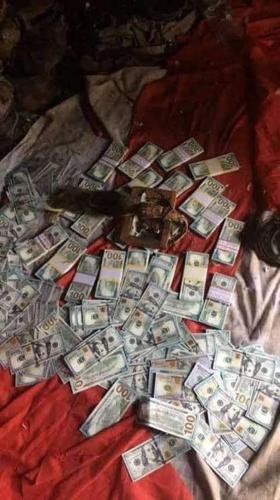
Is There Anything Like a Money Ritual?
Ignore the knowledge of popular culture (Nollywood movies and music) and what you hear around—the stories of who got rich by sacrificing humans. Do not consider what you have not witnessed before with your own sense experience. Is there something like a money ritual?
The government has been so neglectful in the movie’s regulations, especially in Nollywood. If there were serious measures in place, this wouldn’t have occurred, and the industry would not be pushing people into believing that they can get money by killing fellow humans.
Someone just argued that producers use individual and communal experiences to their stories. Fine. But my people in humanity will argue back that what seems like reality is “verisimilitude”—the ability to package the combo of what feels like reality and what people yearn for into reality again. That’s not even where I am going. The argument has always been that they are using the movies to preach against the killing of humans. Because the denouement (end) of the plot of those movies will punish whoever does the ritual, and they will not enjoy the money. So, they think this will stop people from doing it. That’s philosophically fallacious.
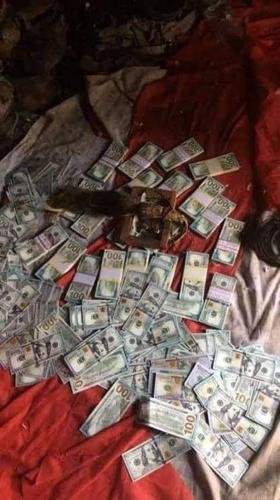
That it stops people from doing it doesn’t erase the fact that some will not do it successfully. They just have to avoid the mistakes of the victims in the movie. If they want to tackle it, they should simply preach that it is not possible and not that it is possible but contains repercussions.
Before the 9th and 10th centuries, during the pre-money era, was there a money ritual? I know of the cowries (the Arabians brought them to trade in the 9th century and the Europeans in the Renaissance era). Clearly, there was no Nollywood. Were people killing each other to have miracle money? Check all the movies produced before and during these years to see if there are discussions or beliefs like that.
Then, Hubert Ogunde modernized the theater in the 1940s. Then, there was no money ritual in their plots. It was just fighting against colonialism and for nationalism. After independence, they moved to political issues fracturing the country. They commented on issues between Awolowo and S. L. Akintola and so on. He also [used] biblical themes. However, none of these included money rituals.
If the whole movie industry did not discuss a topic, you can be certain it’s not in vogue. Then, when and what prompted the movie industry into the themes of money ritual? Movies like Ololade Mr Money (1997–2001), Abela Pupa (2003), and Koto Aye/Koto Orun (2000s) were produced to do it. The release of these made people make more attempts to do it, and since then, it’s been going on and on.
Another angle that we can look at is the excessive polarization of good and evil. The filmmakers think that they need to blame one phenomenon for the cause of something. By blaming ritualism on the sudden death, poverty, and disappearance of people in the late 1980s, the society will be able to fabricate an answer for something they cannot actually explain.
All these necessitate the call for the need to bring the Nollywood into a serious conversation and problematization.

1 comment
Not everyone is afraid of repercussions. What’s repercussion to desperate poor people? They should just stop portraying it in their films. It’s one of the reasons I don’t watch Nollywood.