
A STORY BEFORE THE NATION 🇳🇬
Before we were called Nigeria, there was already a story.
Before there was a flag, there were people.
Before there was a country, there were kingdoms, empires and communities.
From the ancient cities of Kano and Katsina, to the Oyo Empire, the Benin Kingdom, the Kanem-Bornu Empire, the Sokoto Caliphate and countless other societies across the land, the story of this place did not begin with colonial rule.
Then, history took a turn.
European traders arrived. British influence expanded. Territories were conquered and brought under colonial administration.
And in 1897, the name “Nigeria” entered the historical record in the form we recognise today, popularised by British journalist Flora Shaw in reference to the Niger River.
In 1914, the Northern and Southern Protectorates were amalgamated by the British.
One territory. One colonial administration.
But becoming one country on a map did not erase the many histories, identities and peoples that already existed within it and slowly, another story began to unfold.
Nigerians began to ask questions: Who should decide our future? How long should we be governed by others?
And among those who gave their voices to that struggle were Obafemi Awolowo, Ahmadu Bello, Nnamdi Azikiwe, Tafawa Balewa and Anthony Enahoro, alongside countless others.
Awolowo championed self-government and political organisation in the West. Bello became a powerful voice in Northern Nigeria. Azikiwe used both journalism and politics to advance nationalism, while Balewa emerged as a leading political figure who would later become Nigeria’s first Prime Minister and in 1953, Enahoro moved a motion calling for Nigeria to achieve self-government by 1956.
They did not always agree and they did not all envision Nigeria’s future in the same way but their voices, alongside those of countless Nigerians, helped push the question of self-government to the centre of the country’s future.
The road was not smooth. It was filled with disagreements, uncertainty, sacrifice and difficult questions about what this new nation should become but the journey continued.
And then, after decades of change and struggle, the day finally came.
October 1, 1960.
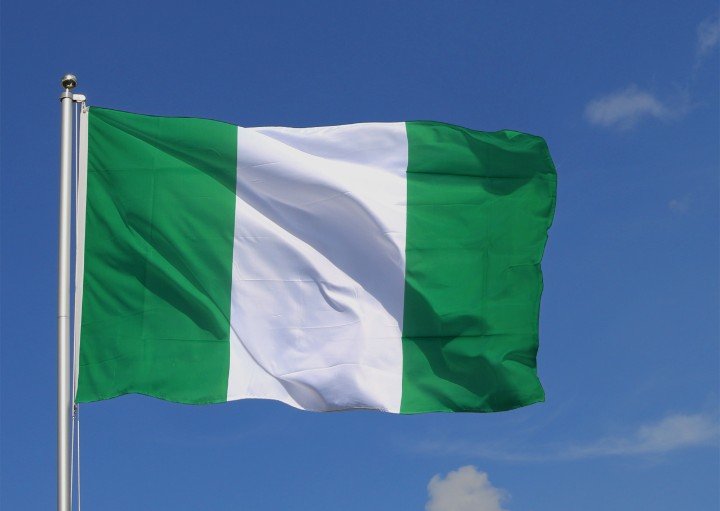
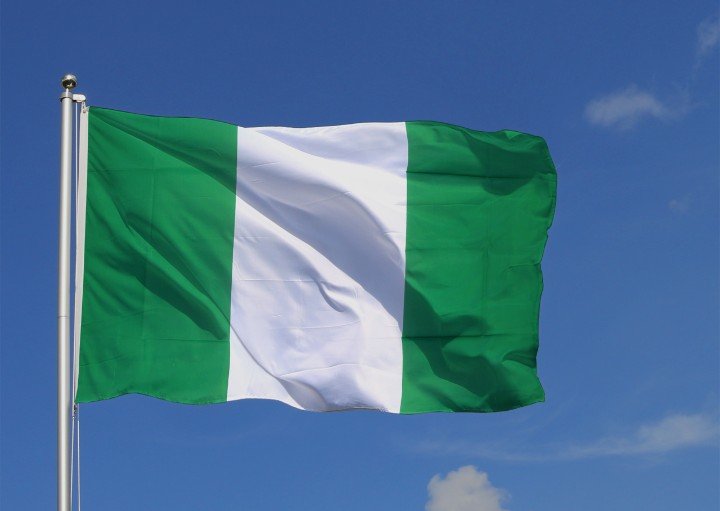
The Union Jack came down. The Nigerian flag went up and for the first time, Nigeria stood as an independent nation.
Imagine that moment.
A people who had lived through generations of change, watching a new chapter begin.
A country that had once been governed by another power now faced the responsibility of governing itself.
There was joy.
There was hope.
There were dreams.
And perhaps, somewhere in that celebration, there was also a quiet question: What will we make of this country?
Sixty-six years have passed since that day. Nigeria has changed.
We have experienced triumphs and trials, moments that have united us and moments that have tested us. Generations have come and gone. New cities have risen. New voices have emerged. Nigerians have carried our culture, creativity, music, ideas and stories across the world.
And through it all, one thing remains: The story continues because Nigeria is not only the story of 1960. It is the story of everyone who came before us.
The kingdoms.
The communities.
The people who resisted.
The people who dreamed.
The people who demanded a voice.
The people who raised that flag on October 1.
And the people who are still here, still building, still hoping, still writing what comes next.
Today, we celebrate not only the day Nigeria became independent. We celebrate the long journey that brought us here.
The history behind us, the lessons within it and the future still waiting for us.
🇳🇬 Happy 66th Independence Day, Nigeria.
May we remember where we came from. May we value the story we inherited and may we never forget that the next chapter is ours to write.
Image credit: Royal Flag



Comments